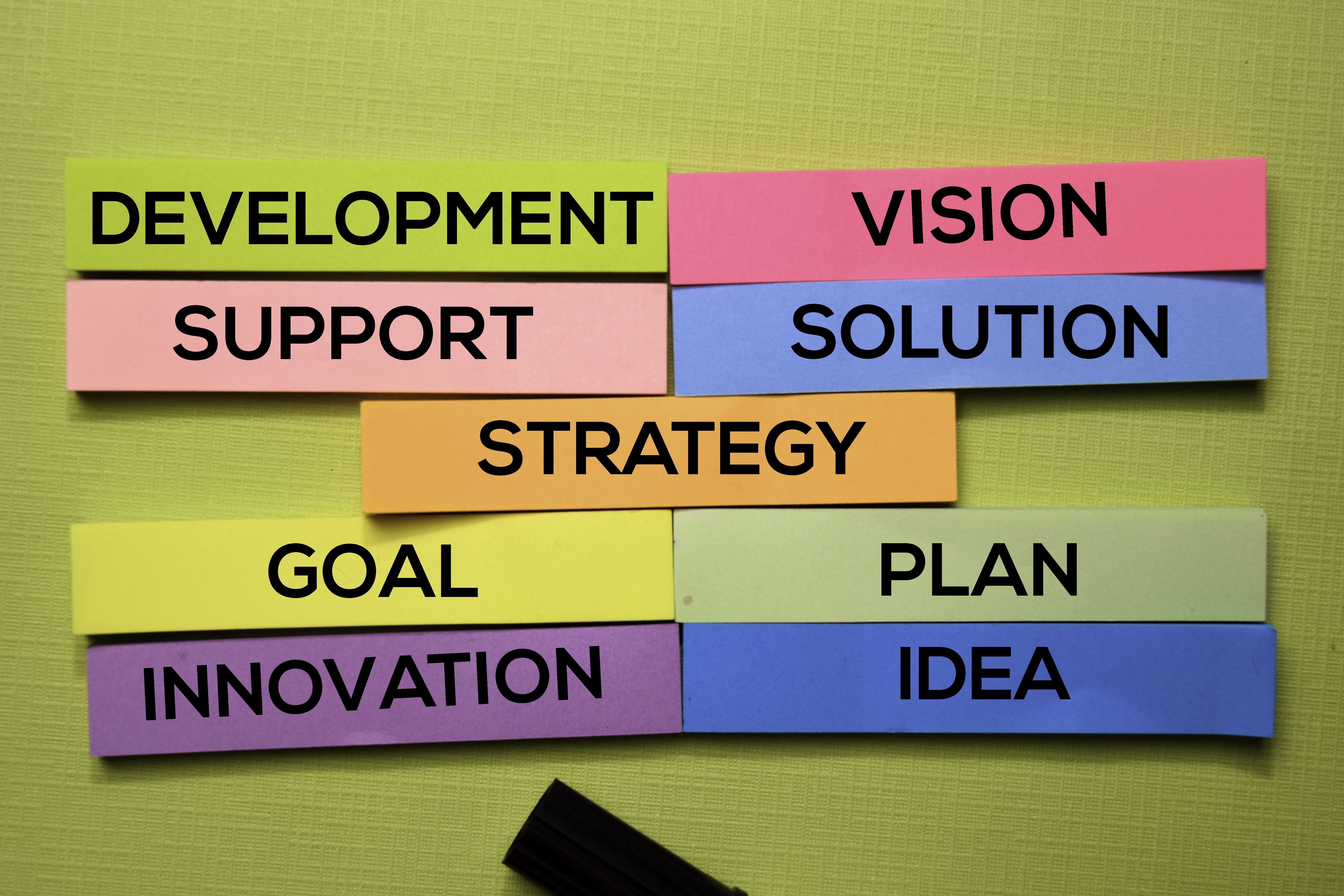
What Is Strategy? And Does Your Business Really Need A Competitive Edge?
In the world of business, strategy is a word that is often used. What does it mean exactly? And does every business need one? Strategy, in simple terms, refers to a plan of action designed to achieve a specific goal or objectives. It lays out the direction and the steps required to reach a desired outcome. A business strategy is a critical element for any company, regardless of its size or industry. It helps a business to focus on its goals, make informed decisions, allocate resources effectively, and ultimately maximise its chances of success. Without a clear strategy in place, a business risks operating randomly and haphazardly, which can lead to poor outcomes and missed opportunities.
One of the key reasons why a business needs a strategy is to provide a sense of direction and purpose. A strategy is a decision a business has taken about what it is going to do to achieve success in its marketplace and Industry. Strategy is effectively a plan put forward, usually by managers, to be considered by others in the business. The purpose of the plan is to help the business achieve its specific goals and objectives. A specific business goal of a business for example, may be to improve customer service. A strategy would detail how to do this by offering rewards and incentives.
A strategy helps to define the long-term goals of a business and outlines the steps required to achieve them. It serves as a roadmap that guides decision-making and actions at every level of the organisation. Without a strategy, a business risks being pulled in different directions, having conflicting objectives, and lacking a clear sense of purpose. A well-defined strategy also helps a business to stay focused and prioritise its activities. In a competitive marketplace, businesses often face numerous opportunities and challenges. Without a strategy, it can be easy to get distracted and pursue every opportunity that comes along. However, by having a clear strategy, a business can evaluate and prioritise these opportunities based on their alignment with the overall goals and objectives. This allows resources to be allocated more efficiently and enhances the chances of success. A well-defined strategy provides a framework for decision-making as it can clearly define what the business wants to achieve. Business owners and managers deploy strategies to make the best use of the firm's resources and competencies for achieving competitive advantages. Achieving a competitive advantage in business is sought because it means superior performance compared to other competitors in the same Industry.
Advantages Of Strategy
1. A strategy gives an organisation purpose and motivates it to achieve success.
2. A strategy may help with decision-making as it may clearly define what it is the business wants to achieve.
Disadvantages Of Strategy
1. It can be costly if not implemented professionally and may defeat the business objective of cost-cutting, as it could cost more to put things right.
2. The fault of a localisation strategy lies not with the strategy but with international strategic managers who lack global orientation and international experience.
Strategy And The Decision-Making Process
In a rapidly changing business environment, decisions need to be made quickly and effectively. A strategy helps to provide a set of guidelines and principles that can be used to evaluate different options and make informed decisions. It reduces the risk of making impulsive and short-sighted decisions that may not align with the long-term goals of the business. A business needs a strategy to allocate resources effectively. Resources such as time, money, and manpower are limited, and it is essential to use them efficiently. A strategy helps to identify the areas where resources should be allocated to achieve the best results. It ensures that resources are not wasted on activities that do not contribute to the overall goals and objectives of the business.
A strategy helps a business to anticipate and respond to changes in the market and industry. The business landscape is constantly evolving, and a business needs to be able to adapt and adjust its approach accordingly. A strategy provides a framework for monitoring and analysing the market trends and competition, and for making necessary adjustments to stay competitive and relevant.
Strategy is a critical element for any business. It provides a sense of direction, helps to focus on goals and priorities, guides decision-making, allocates resources effectively, and enables the business to adapt to changes in the market. Every business, regardless of its size or the industry it operates should have a clear and well-defined strategy to maximise its chances of success. Identifying a problem and providing a solution
Once a business has established the importance of deploying a strategy, it is crucial to identify the key challenges and obstacles businesses face in developing and implementing their strategies. One common problem is a lack of clarity and understanding of the business's goals and objectives. Many businesses operate without a clear vision of what they want to achieve, making it difficult to develop an effective strategy. To address this problem, businesses need to take the time to articulate their goals and objectives and ensure that they are communicated effectively to all stakeholders. This will provide a foundation for developing a strategy that is aligned with the business's overall vision.
Another challenge is the rapidly changing business environment. The market landscape is constantly evolving, and businesses need to be able to adapt and respond quickly. However, many businesses struggle to keep up with the pace of change and find it challenging to develop strategies that are flexible and responsive. To overcome this challenge, businesses need to be proactive in monitoring market trends, analysing competition, and gathering customer feedback. This will enable them to anticipate changes and make necessary adjustments to their strategy. In addition to external challenges, businesses also face internal obstacles in developing and implementing their strategies.
A common problem is a lack of buy-in and support from employees. Strategy implementation requires the active involvement and commitment of all employees, from the top management to the frontline staff. However, if employees do not understand or support the strategy, it becomes extremely difficult to execute it effectively. To address this problem, businesses need to ensure that their strategy is communicated clearly and that employees are engaged and involved in the development and implementation process.
Another internal obstacle is a lack of resources and capabilities. Developing and implementing a strategy requires resources such as time, money, and skilled personnel. However, many businesses, particularly small and medium-sized enterprises, may not have the necessary resources or capabilities. To overcome this challenge, businesses can consider outsourcing certain functions or partnering with other organisations to leverage their resources and expertise. They can also invest in developing the skills and capabilities of their employees to ensure that they have the necessary tools to execute the strategy effectively.
conclusion
Developing and implementing a strategy can be challenging, but it is a crucial element for the success of any business. By addressing the key challenges and obstacles, businesses can develop a clear, well-defined strategy that aligns with their goals and objectives. This will provide the roadmap and direction needed to achieve long-term success. If you want your business to thrive and stay ahead in a competitive market, strategise!