The Invisible Competitor: Why 70% of Strategies Fail (And How To Fix Yours)
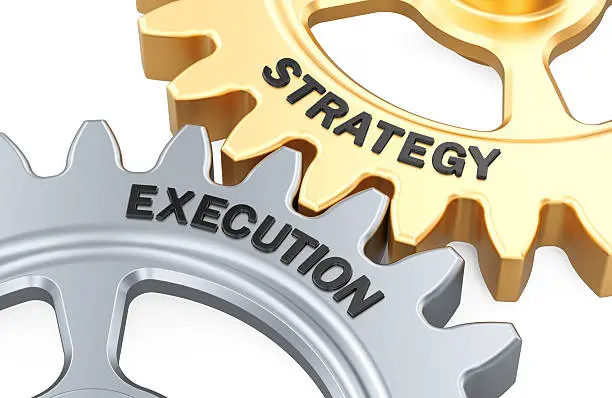
Article piece by Staff Writer 19/02/2026 BSc/MSc
For over two decades, the boardroom has been haunted by a single, brutal statistic: 70% of all strategic initiatives fail. First popularised by Harvard researchers Michael Beer and Nitin Nohria, this figure has become the industry standard for measuring executive frustration. However, as we move through 2026, the landscape has become even more precarious. Recent data from the Project Management Institute (PMI) suggests that in our current era of rapid AI integration and market volatility, only 50% of projects deliver their intended value. The question is no longer if you will face resistance, but why even the most logically sound plans—from Ford’s historic restructuring to the high-stakes cultural resets at Manchester United—consistently hit a wall.
The Knowing-Doing Gap
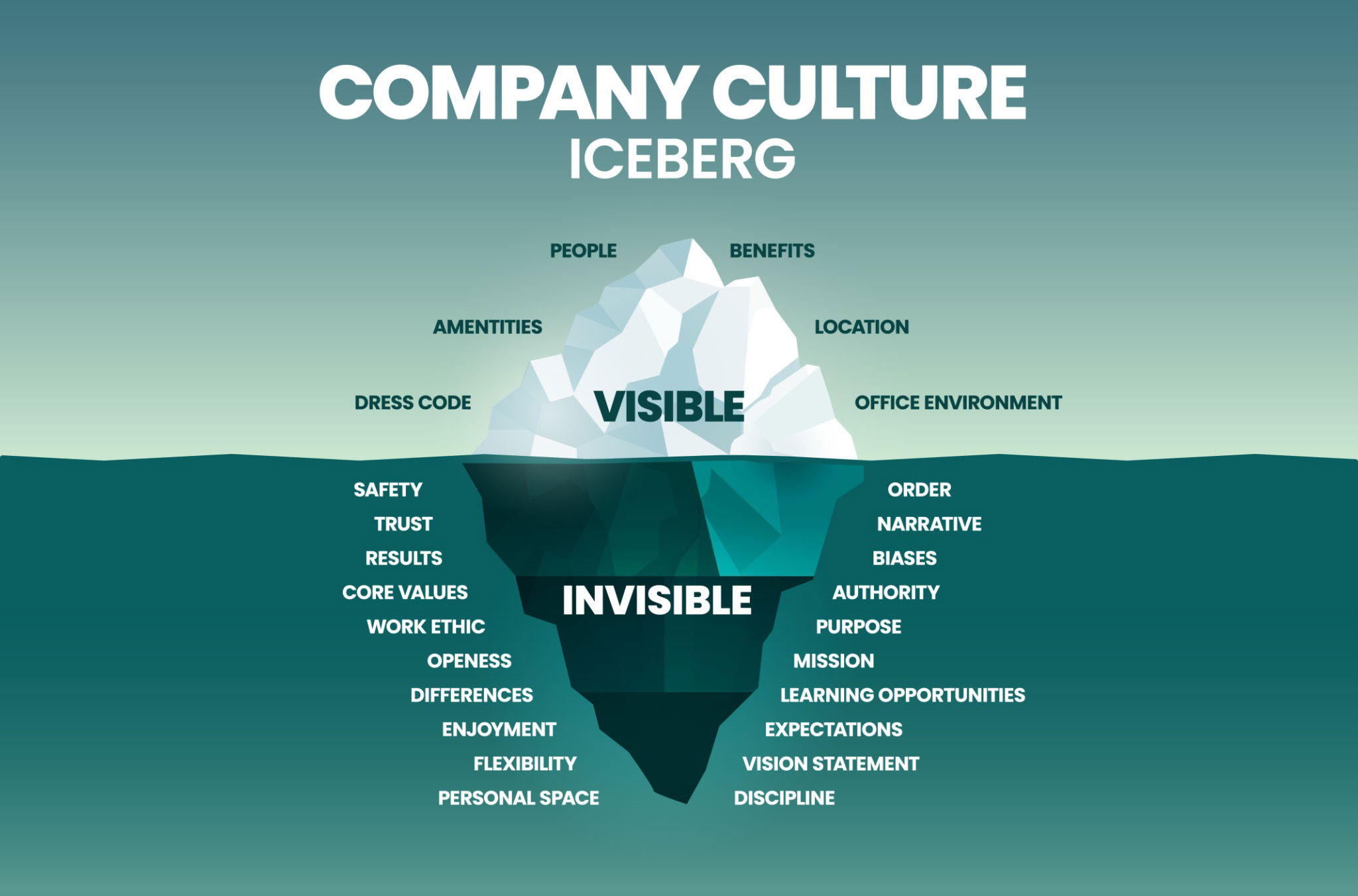
The failure rarely lies in the "What." Most organisations have excellent data and clear objectives. The failure lies in the Invisible Competitor: a collection of psychological biases and systemic frictions that reside within your own culture. While leaders focus on external market rivals, this internal competitor is fueled by:
- Status Quo Bias: The biological urge for employees to protect familiar routines, even when they are inefficient.
- Cognitive Overload: 2025 research indicates that 86% of strategy owners fail to execute because the plan is too complex to be "digestible" at the frontline level.
- The Shadow Culture: The unwritten rules that dictate behaviour more powerfully than any official mandate.
To win in 2026, we must stop treating strategy as a document and start treating it as a Behavioural Design challenge. We don't need better spreadsheets; we need to outmanoeuvre the Invisible Competitor.
When strategic objectives fail, management often defaults to blaming an "unproductive" workforce. However, the reality is frequently more complex. Most organisations understand what needs to be done, yet they are paralysed when it comes to figuring out how to do it. This results in wasted capital, eroded market share, and a demoralised leadership team. This strategic disconnect represents the persistent gap between a visionary boardroom plan and its actual execution on the ground—a gap that costs global businesses thousands of man-hours and millions in potential revenue.
The Invisible Competitor
In 2006, the Ford Motor Company launched its "Way Forward" strategy. Backed by billions in capital and the industry’s brightest minds, the data-driven plan appeared to be a guaranteed success. Yet, within months, the strategy began to bleed value. This failure did not stem from external rivals like Toyota or GM; rather, it was triggered by an "Invisible Competitor" residing within the very boardroom where the plan was signed. In a professional consulting context, the Invisible Competitor is an internal psychological or systemic barrier—such as a rigid culture or lack of trust—that actively sabotages a strategy from within. This is why Beer and Nohria (2000) famously noted that nearly 70% of change initiatives fail. Recent data from McKinsey and Gartner (2024/25) confirms this, showing that success rates drop even further when organisations attempt more than five major changes at once, leading to "change fatigue."
The Consultant’s Sweet Spot: Bridging the Gap
The consultant’s "sweet spot" lies in Strategic Execution. They act as a diagnostic bridge, identifying these invisible barriers before they derail the plan. While a boardroom focuses on the Strategy, the consultant focuses on the Enabling Conditions (Hackman) required to make that strategy work.
The Upside: Advantages of Winning Teams
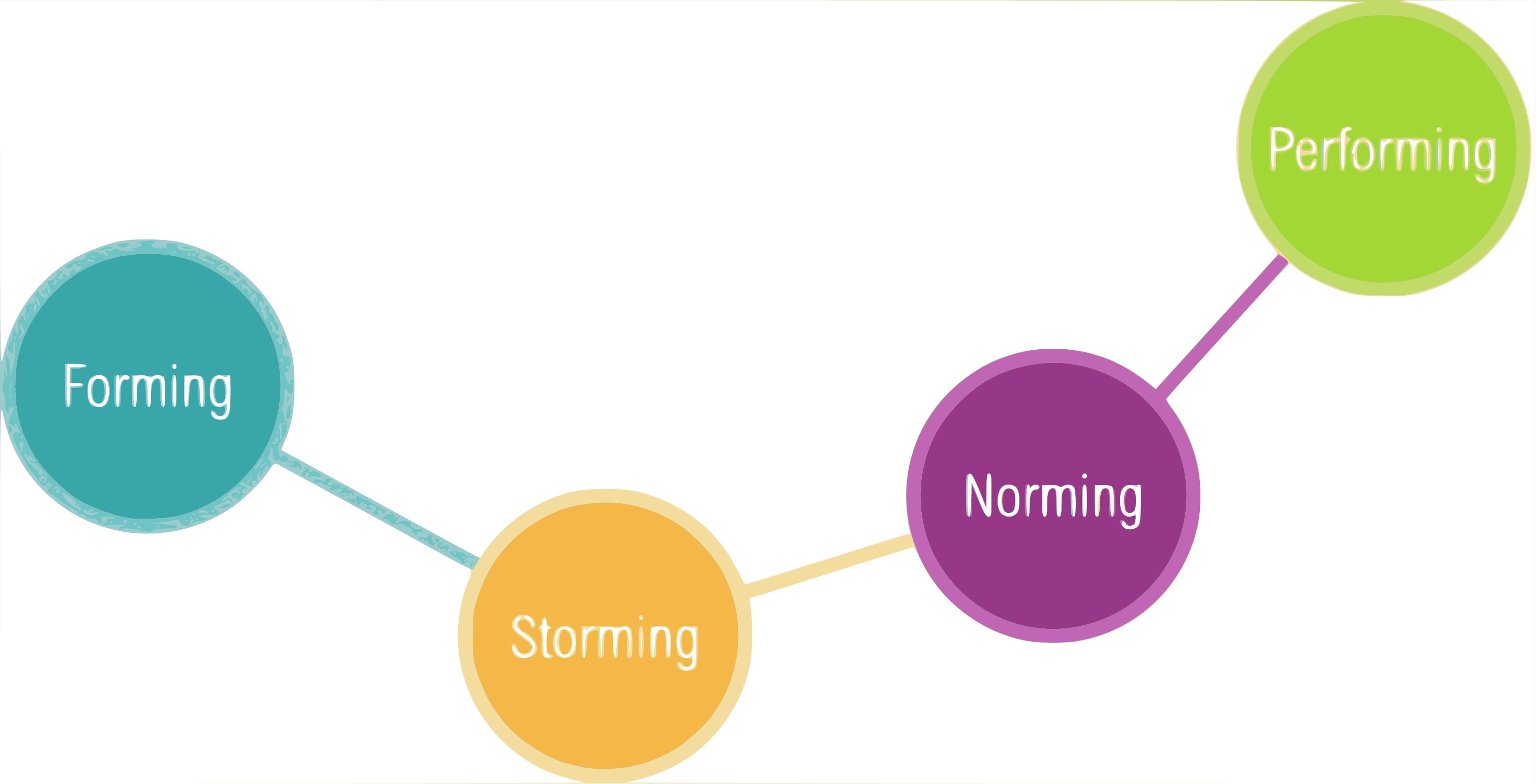
When a consultant successfully helps a team defeat their invisible competitor, the organisation gains a Winning Team. These teams provide:
- Superior Adaptability: As seen with Google’s autonomous "squads," these teams pivot quickly without waiting for boardroom permission.
- Operational Resilience: Toyota’s shop-floor teams use the Jidoka principle to stop the line and fix problems instantly, ensuring a competitive advantage through quality.
- Financial Gains: According to PMI (2025), teams that execute well are twice as likely to meet their original ROI targets.
The Downside: The Risks of Success
Even "winning" teams are not immune to new invisible competitors. Success can create its own set of risks:
- The Success Trap: A team that wins consistently may become risk-averse, fearing that an innovation might break their "winning streak."
- Groupthink: Highly cohesive teams can become so "like-minded" that they stop questioning the strategy, effectively becoming an invisible competitor to their own future growth.
- Organisational Friction: High-performing "elite" teams can cause resentment in other departments, creating silos that hinder overall systematic thinking.
Conclusion: More Than a Coin Flip
With 2025 data suggesting that strategy execution is often essentially a "coin flip," the difference between staying afloat and going under is the ability to recognise the enemy within. By focusing on the sweet spot of Strategic Execution, consultants transform the invisible competitor into a visible, manageable, and ultimately defeated hurdle.
Consultant’s Intervention: To mitigate these, a consultant must implement "Red Teaming"—formally appointing members to challenge the team's consensus—ensuring that success does not lead to stagnation.
The Recovery Blueprint—How to Outmanoeuvre Failure
If your strategy is stalling, "working harder" is usually the wrong medicine. To move from the 70% failure bracket into the 30% of winners, you must execute a Strategic Pivot based on human behaviour and operational resilience.
1. Tactical Triage: The "Mission-Means-Machine" Audit
Before you can pivot, you must perform an unflinching diagnostic. Use this framework to find the leak:
- The Mission: Is the goal still commercially credible? Look at Ford’s 2026 shift: they didn't stubbornly stick to an "all-EV" mandate when the market cooled; they pivoted to "Powertrain Pluralism" (hybrids and EREVs) to meet actual customer demand.
- The Means: Are you spread too thin? Most strategies fail because they try to win on ten fronts. Professionalism is about the courage to say "no" to secondary goals.
- The Machine: Is your "execution engine"—the meetings and reporting—actually designed to produce the result, or just to produce "status updates"?
2. The 30/60/90 Recovery Sprint
Vague goals lead to vague results. In 2026, leading firms are replacing annual theater with Rolling Sprints. This triggers the Progress Principle, proving to a skeptical workforce that success is possible.
- Days 1–30 (Locked): Absolute clarity. No "exploring" or "researching"—only "shipping" and "signing." Completion is the only metric.
- Days 31–60 (Planned but Flexible): Identify the dependencies you need to clear based on the first 30 days.
- Days 61–90 (Directional): Maintain a loose view of the horizon to stay agile.
3. Deploying "Agentic AI" as a Friction Remover
By 2026, the "Invisible Competitor" is often Information Asymmetry—the frontline simply doesn't know why they are doing what they are doing.
- The Solution: Use Agentic AI—systems that don't just answer questions but autonomously monitor for risks and dependencies. These agents act as "Chief Friction Removers," alerting leadership to cultural or operational bottlenecks before they show up in a quarterly report.
4. Cultural "Medicine" (The Manchester United Case)
In 2026, INEOS at Manchester United provides a masterclass in fixing a legacy-heavy strategy. They recognized that you cannot build a new tactical system (under Ruben Amorim) on top of an old, complacent culture.
- The Fix: They implemented "Drastic Surgery"—cutting non-essential costs and removing high-earners who didn't fit the new "profile-suited" physical style. They stopped competing with the past and started designing for the future.
The Strategy Friction Audit: Is Your Execution at Risk?
This audit uses a Diagnostic Framework to identify where your organisational energy is being dissipated before it reaches the market.
1. The Internalisation Gap (Psychology of Alignment)
- Question: If I interviewed five employees at different levels of the organisation, would they provide a consistent "North Star" for the company, or would their answers reflect departmental silos?
- The Insight: Compliance is not commitment. If the team doesn't internalise the "Why," they will default to legacy behaviours as soon as the initial pressure fades.
2. Resource Velocity vs. Legacy Inertia (The Ford Lesson)
- Question: Are your most talented resources (your VRIO assets) allocated to the new strategy, or are they still 80% consumed by maintaining the "status quo" of the old model?
- The Insight: Like Ford’s early struggles with the Way Forward, many strategies fail because leadership refuses to divest psychological or financial capital from the past to fuel the future.
3. The "Black Swan" Buffer (Risk Psychology)
- Question: Does your execution plan include a "Pre-Mortem" for external shocks, or does it assume a linear path of progress without accounting for cognitive overconfidence bias?
- The Insight: High-gain strategies build in psychological and operational buffers. If your plan assumes 100% efficiency in a 70% predictable world, it is fragile by design.
4. Communication Decay (Social Development)
- Question: Has the strategy been "translated" into the specific language of each department, or is it still being communicated in the boardroom jargon of the executive suite?
- The Insight: For a strategy to "stick," it must undergo a linguistic transformation. It needs to be relevant to the daily habits and psychological triggers of the people performing the work.
5. Psychological Safety & the "Red Flag" Culture
- Question: When a strategic milestone is missed, is the primary response an investigation into the systemic root cause, or a hunt for the person to blame?
- The Insight: Innovation and execution thrive on psychological safety. If your culture punishes "bad news," the 70% failure rate will happen silently, and you won't know until the "Black Swan" has already arrived.
Great Teams Don’t Just Have a Playbook—They Have a System
In elite sport, even the most expensive roster (or the most detailed strategy) will underperform if the culture and the execution system are misaligned. Don't let your business enter a "permanent transition" period. Let's install the operational discipline and psychological safety required to win in your market.
Secure your competitive advantage today. Inquire About Strategic Oversight Services.