What Makes A Unique Formula One Winning Team?
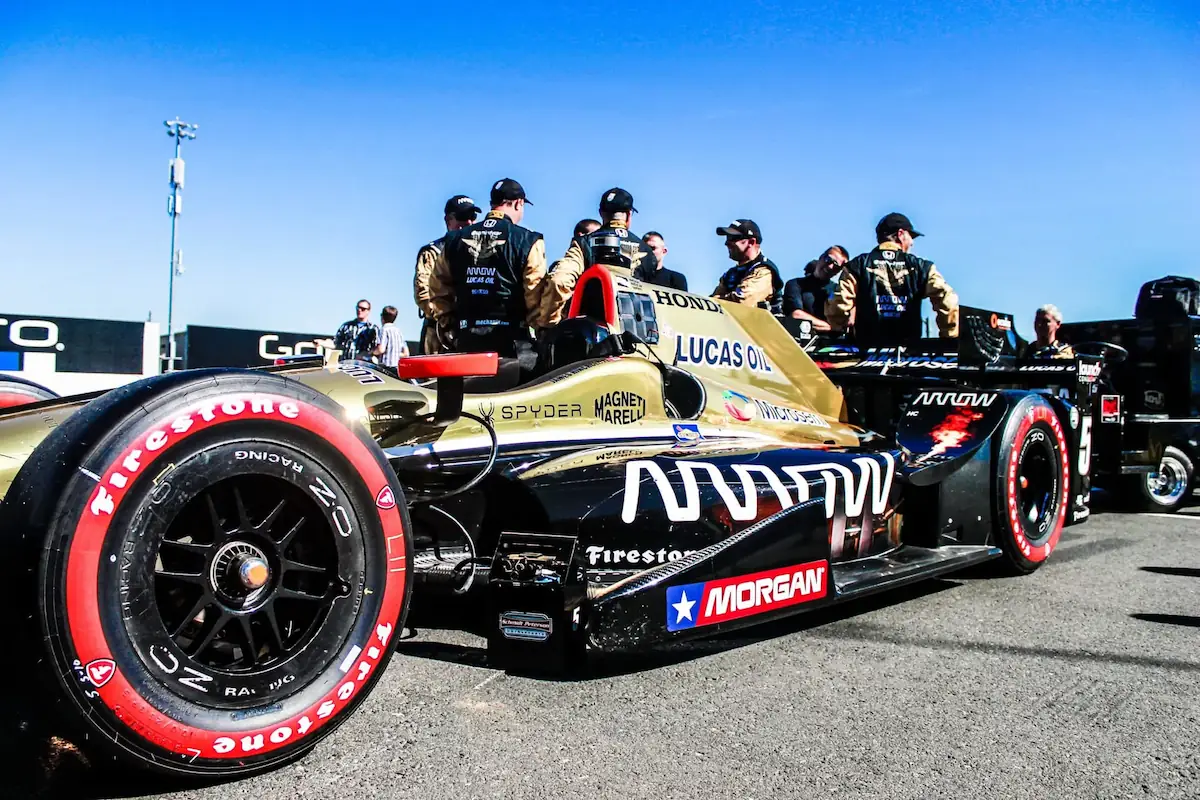
A winning team is defined by the collaborative pursuit of shared passion and common goals. In Formula One, for example, while it is often suggested that money can buy success (Spurgeon, 2016), a deeper examination reveals that success depends equally on a collective of like-minded people. As well as having deep-pocketed investors, a successful team offers a beneficial environment for individuals seeking to strengthen their key attributes or skills; for instance, a good sense of humor is a desirable attribute that can be valuable to the team dynamic.
Teamwork is the foundation for a winning team, requiring the right individuals who cooperate effectively and share mutual ambitions. These individuals must understand and appreciate the team's overarching objectives. Successful teams exhibit a strong esprit de corps and a particular mindset that positively influences team members' behavior. In Formula 1, successful teams are continuously innovating and conducting research and development. They leverage key resources to make efficiency gains, the results of which are consistent wins on the track. The role of the strategic consultant here is paramount: to guide the continuous innovation process (Strategy), ensuring R&D investments are aligned with long-term competitive advantage, which in turn enables the efficiency gains (Operations) that deliver consistent wins.
Advantages of High-Performing Teams
The results of this strategic and operational effectiveness yield significant benefits:
- Sustainable Competitive Advantage: Focus on innovation develops unique, hard-to-replicate skills and processes.
- Superior Market Adaptability: Agile capabilities allow the team to pivot quickly in response to market or regulatory changes.
- Optimized Operational Efficiency: Internal processes are streamlined, lowering operating costs and increasing profitability (e.g., Toyota's global manufacturing teams using Jidoka for continuous improvement).
- Talent Attraction: High performance acts as a magnet for top professionals, improving recruitment and retention rates.
Business Example (Operational Efficiency): Consider Toyota's global manufacturing system, which relies on autonomous, highly empowered production line teams. These teams operate under the principle of Jidoka (automation with a human touch), giving them the authority to stop the line immediately when a defect is found. This commitment to continuous improvement (an operational efficiency sweet spot) is entirely dependent on the trust and empowerment granted to the small, agile teams on the shop floor.
Strategic and Enabling Conditions
A 1970s study by Richard Hackman claims that team collaboration is not dependent on personalities or behavioral styles. Instead, teams thrive when they are provided with certain enabling conditions in the internal or external business environment. Teams possessing strategic capabilities collectively gain a competitive advantage in the marketplace for their organization, often resulting in big bonuses for performing well. These teams are agile and flexible and can operate with a degree of autonomy. Their dynamic capabilities allow them to constantly adapt to changing environments and to think systematically.Teams are a core asset to any organization because the individuals bring skills, competencies, and expertise.
These collective distinctive capabilities, alongside a motivating team leader, are what lead to a competitive advantage. A distinct capability is also the formation of "family-like" teams. These attributes, alongside crisis management skills, are the difference between staying afloat and going under. A common feature of most effective teams is that they have a clear sense of direction, defined roles, and share common goals. Cambridge Dictionary defines a team as a group of people working together to achieve a common goal.
Business Example (Strategic Innovation & Culture): Google often organizes its innovation efforts into small, independent "squads" or project teams, a structure sometimes referred to as the "Spotify Model." These teams are granted the autonomy to tackle strategic problems with minimal bureaucracy. This approach leverages the collective expertise and risk tolerance of the team, fostering a culture of innovation that is essential for maintaining Google’s competitive edge in rapidly changing digital markets.
Potential Disadvantages of Success and Consultant Interventions
Despite their power, successful teams face inherent risks that require outside intervention to manage:
- Risk of Groupthink:Strong cohesion can lead to an over-reliance on consensus, suppressing critical thinking and diverse opinions.
- Consultant Intervention: The consultant introduces structured Devil’s Advocacy or Red Teaming sessions to formally challenge assumptions and enforce critical disagreement.
- Strategic Stagnation:Success can breed overconfidence, causing teams to become risk-averse or overly committed to old, diminishing formulas.
- Consultant Intervention: The consultant conducts External Benchmarking and Disruption Audits to force the team to evaluate novel strategies outside their successful comfort zone.
- Organizational Friction:High-autonomy teams may be viewed as an "elite," leading to resentment and hindering necessary cross-functional collaboration.
- Consultant Intervention: The consultant facilitates Knowledge Transfer Programs and defines clear Service Level Agreements (SLAs) between the elite team and supporting functions to mandate cooperation and share expertise.
- Burnout:The relentless pressure to maintain a winning streak can lead to chronic stress and unsustainable individual workloads.
- Consultant Intervention: The consultant implements Workload and Process Optimization assessments to redistribute tasks, standardize non-core processes, and ensure sustainable performance capacity.
The Team Development Process
The Tuckman team model, proposed by psychologist Bruce Tuckman in 1965, describes one of the most famous theories of team development, implying that structured development contributes to a winning team. The theory outlines four initial stages of team development: Forming, Storming, Norming, and Performing. He later added a fifth stage, which he called Adjourning.Ideas are formed and generated in the beginning. The next stage is Storming, where ideas are brainstormed and communicated freely, and differences in opinions are encouraged and supported. Team risk tolerance varies; while some teams utilize diverse skills to spread risks, others may prefer a safer approach, fostering an open culture to mitigate uncertainty.

https://uk.eco-worthy.com/?sca_ref=8524159.gy6GrLN4yj