What is meant by a functional structure? And The Strengths And Weaknesses
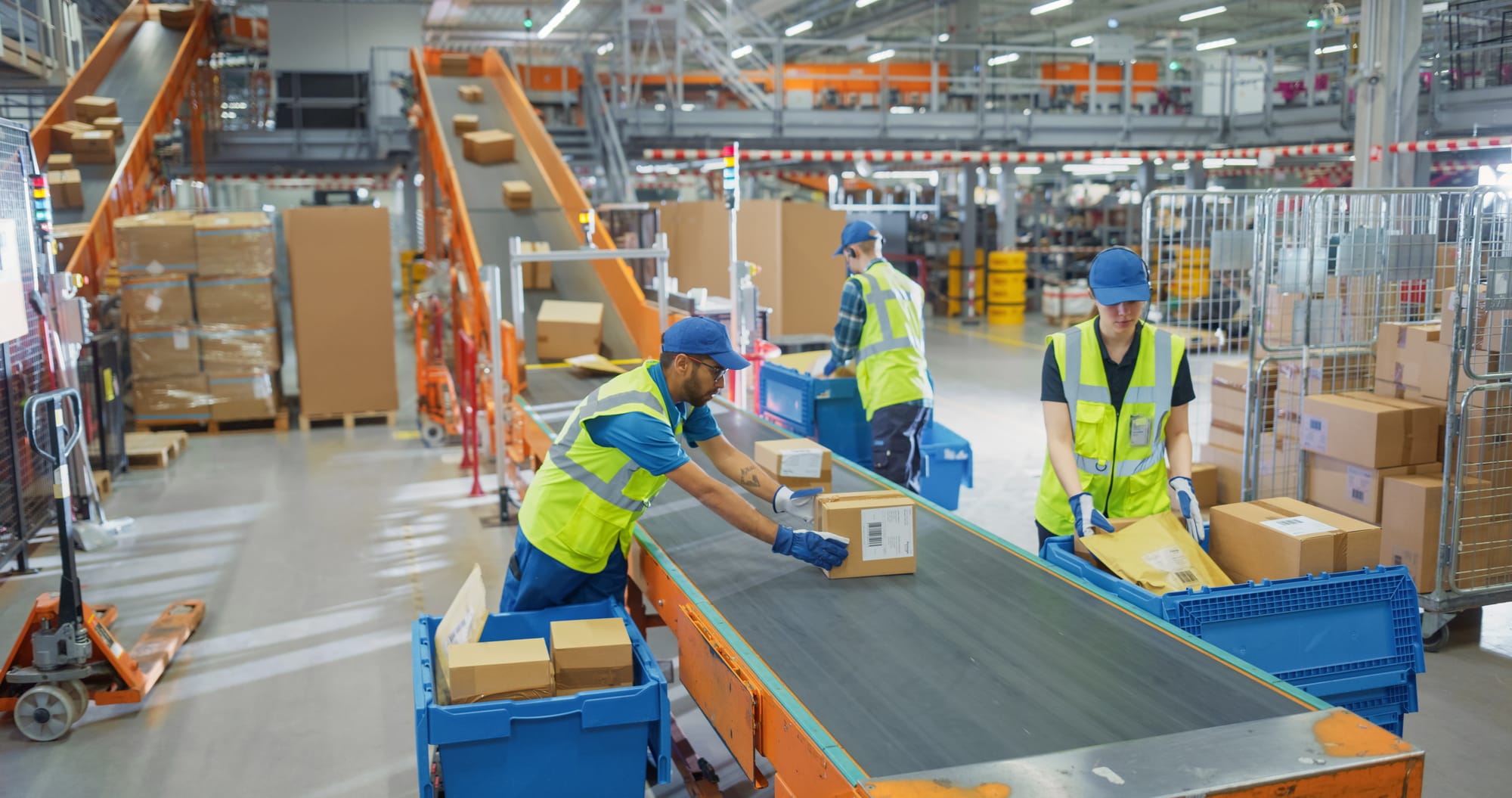
In an increasingly volatile and global market, the structure of an organisation dictates its ability to execute its strategy. The functional organisational structure- the bedrock of the industrial era design remains the primary vehicle for firms seeking to institutionalise deep technical expertise and achieve rigorous operational efficiency. By grouping human capital into specialised domains such as Engineering, Finance, Marketing and logistics, organisations can leverage economies of scale and foster centres of excellence. However, the very verticality that ensures precision often breeds the Silo Mentality, where departmental priorities separate the overarching corporate mission.
A functional structure is a traditional organisational architecture where the company is divided into specialist departments based on their specific area of expertise. While there isn't one single inventor who patented the concept, the functional structure is primarily attributed to Fedrick Winslow Taylor. The structure was born out of the Industrial Revolution to solve the problem of inefficient labour. Taylor believed in the "one best way". By assigning a specialised manager to each functional department, he removed the cognitive load from the worker and the manager, ensuring that an expert oversaw each function. This is the root of modern functional departments, such as HR, finance, and quality control.
Analysis of Strengths and Weaknesses
The Strengths
- Economies of Scale and Expertise: By grouping people with similar skills, an organisation can foster a centre of excellence. This provides employees with cognitive ease, as they are surrounded by peers who speak their language. In an engineering firm that only produces high-end valves by grouping all the engineers, the firm can invest in highly specialised machinery and software that wouldn't be cost-effective if they were split across multiple product divisions. The result is that the engineering firm can achieve the lowest possible cost per unit through sheer technical mastery.
- Operational efficiency: Standardised processes within functions minimise role ambiguity. In a stable environment, this leads to high predictability and lower per-unit costs.
- Clear career paths: Employees have a visible vertical ladder. This satisfies the human need for status and certainty as individuals know exactly what milestones they must reach to gain promotion.
Weaknesses: The Structural Barriers
- The "Silo Effect": This is the primary psychological barrier. Departments often develop in group bias, where they prioritise their own departmental KPI's over the company's mission. This leads to a breakdown in empathy for other team challenges.
- Slow decision-making: Because communication flows vertically, the information latency is high. This makes the structure rigid and less viable in fast-moving, disruptive markets.
- Lack of Holistic vision: From a design thinking perspective, the end user (the customer) often gets lost. Departments become inward-looking. For example, the engineering department might focus on technical perfection (feasibility) while loosing site of what the customer actually wants, desirability.
Why the functional structure works best in a stable environment.
A functional structure is most effective for organisations in a stable environment with a narrow product range. This is so the organisation can focus all of its resources on perfecting that one thing. It is best for industries where change is incremental (eg, utilities). The primary goal of the organisation should be operational efficiency and cost leadership, and the culture needed for a functional structure to work is high discipline, precision and adherence to protocol. In a hierarchy, a clear unity of command ensures discipline. If the market shifts, the danger for the organisation is that information latency would prevent fast pivoting. In his seminal works, Escape Velocity (2011) and Crossing the Chasm (1991), Geoffrey Moore discusses how legacy functional structures create organisational drag. Moore argued that when information must travel through multiple layers of management (as seen in the functional model), the latency causes the company to miss the window of opportunity to pivot.
From a design thinking perspective, pivoting requires a short feedback loop. If an organisation is testing a prototype ( a feasibility) and the customer hates it (desirability), you will need to pivot instantly.
The Manchester United Connection
In a footballing context, if the information latency is too high, the club misses out on a world-class talent because a more agile club (like a Red Bull Salzburg or Brighton) acted while the larger club was still processing the data.
Consultants' Note: Category power is lost when a company's internal communication speed is slower than the market's rate of change.
The Consultant Insight: The Manchester United Parallel
To use a sports development analogy: A functional structure is like a team that only plays one type of football (e.g. a rigid 4,4,2) and has the best specialist for those specific roles. In a stable league where every team plays the same way, this team is unbeatable because its specialists are the best in their narrow position. The Problem: If the environment changes - if the opponents start playing a high-pressure, fluid style, the specialist (the Silo's) often struggle to adapt because they weren't trained for cross-functional flexibility.
The Manchester United Connection